Turbulence on Flights Expected to Worsen Due to Climate Change
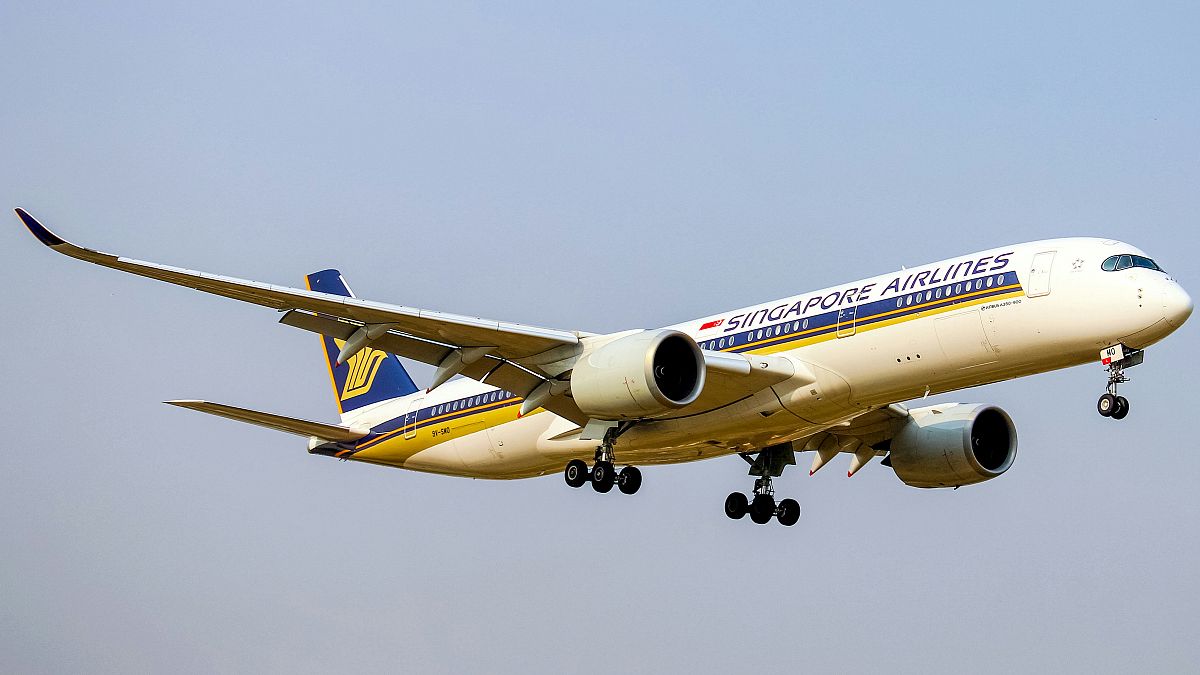
Severe turbulence recently struck a Singapore Airlines flight from London to Singapore, resulting in one fatality and multiple injuries. The exact cause of the incident is still unknown, but aircraft tracking websites have reported that the plane experienced a sudden drop of approximately 1,800 meters in just three minutes when it encountered turbulent air beyond the Bay of Bengal.
Fortunately, fatalities and serious injuries from turbulence are rare occurrences in commercial flights. Flight crews are generally able to anticipate and prepare for adverse weather conditions and turbulent air. However, turbulence remains a concern for passengers and crew members alike. Around 20 passengers on the affected flight sustained injuries, with some requiring first aid for head wounds.
According to Dr. Paul Williams, a Professor of Atmospheric Science at the University of Reading, turbulence on flights can be caused by storms, mountains, and strong air currents known as jet streams. In some cases, such as this one, it is referred to as clear-air turbulence, which is particularly challenging to avoid because it does not appear on the flight deck’s weather radar. Clear-air turbulence is caused by localized eddies that are difficult for most weather models to predict.
Turbulence is the leading cause of non-fatal injuries to passengers and crew members, as stated by the International Air Transport Association (IATA). However, incidents resulting in fatalities or severe injuries on large aircraft are rare. Data from the Federal Aviation Administration (FAA) revealed that between 2009 and 2021, 146 passengers and crew members suffered serious injuries due to turbulence. Recent incidents include a Hawaiian Airlines flight in December 2022 where 20 people were hospitalized, and a business jet where a passenger died after encountering severe turbulence in March 2023. In another incident last August, 11 people required hospitalization after a Delta flight experienced rough air during descent into Atlanta. The injuries reported included lacerations, broken bones, head wounds, and loss of consciousness, primarily due to passengers not wearing their seatbelts.
Turbulence affects flight attendants more than passengers, with flight attendants being 24 times more likely to sustain serious injuries. This is because they are on their feet for longer periods during flights.
Turbulence and Climate Change
Research conducted by meteorologists at the University of Reading in the UK indicates that climate change is making turbulence worse. The study found that the skies are now up to 55% bumpier compared to four decades ago due to the effects of climate change.
The increase in turbulence is attributed to warmer air resulting from carbon dioxide emissions, which alters the air currents within the jet stream. This phenomenon exacerbates clear-air turbulence not only in the North Atlantic but globally as well.
The study focused on one of the busiest flight routes, the North Atlantic, and revealed that the total duration of severe turbulence increased by 55% between 1979 and 2020. Moderate turbulence in the area also saw a rise of 37%, while light turbulence increased by 17%. Additionally, other busy flight routes over the United States, Europe, the Middle East, and the South Atlantic have experienced significant increases in turbulence.
The researchers emphasize the need for improved turbulence forecasting and detection systems to mitigate the impact of rough air on flights in the future. The cost to the aviation industry due to turbulence is estimated to be between 0 and 0 million annually in the United States alone. Every additional minute spent in turbulence increases wear-and-tear on aircraft and the risk of injuries to passengers and flight attendants.
As climate change continues to affect the atmosphere, it is crucial for airlines to consider strategies to manage the expected increase in turbulence. Passengers are encouraged to follow safety guidelines, including keeping their seatbelts loosely fastened throughout the flight, regardless of its duration.