Rail Strike in Germany: How it Affects Passengers
Train drivers in Germany have initiated a week-long strike that began in the early hours of the morning. This strike is part of an ongoing dispute over working conditions, hours, and pay. The GDL union, which represents the train drivers, has rejected a pay offer made by Deutsche Bahn, the German rail operator.
The union expressed its dissatisfaction with Deutsche Bahn’s refusal to reach an agreement, stating that there is no indication of any willingness to find a resolution. In an attempt to pressure the company further, the union is now conducting its longest strike to date.
The main issue at the heart of this dispute is the union’s demand for a reduction in shift workers’ hours from 38 to 35 hours per week without a decrease in pay. Deutsche Bahn has been reluctant to meet this demand. The GDL union is also seeking a monthly raise of €555 for employees and a one-time payment of up to €3,000 to counter inflation. However, Deutsche Bahn claims it has made an offer that includes an 11% raise and the option for shift workers to move to a 37-hour workweek by 2026.
Impact on Passengers
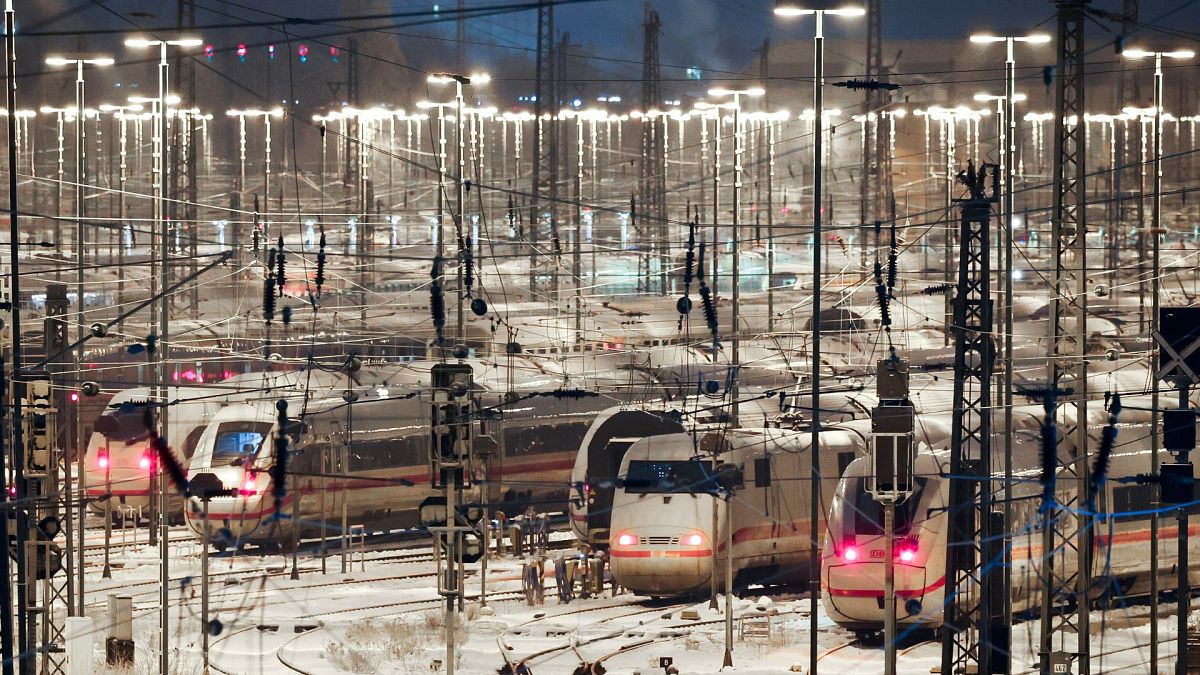
The strike will have a nationwide impact on train services in Germany. Deutsche Bahn has implemented an emergency timetable with a significantly reduced range of journeys for long-distance, regional, and S-Bahn services. While the company will be using longer trains to accommodate as many passengers as possible, it has warned that services are not guaranteed. Passengers are advised to avoid non-essential travel during the strike.
If you have a train ticket booked during this time, you have the option to use it for travel on January 23 before the strike begins or on a later date. In the event of a canceled train, passengers are entitled to a full refund.
Impact on Major Cities
Berlin: The strike will cause massive disruptions to DB’s S-Bahn, regional, and long-distance traffic in Berlin and neighboring Brandenburg. The Berlin S-Bahn has implemented an emergency timetable and a bus replacement service on some routes.
Munich: The S-Bahn in Munich will experience disruptions, but all lines will be operational at least once every hour. The S1 line will not run to Munich Airport, but the S8 line will provide a service every 20 minutes between Pasing and the airport. Other transportation services, such as MVG subway trains, regional trains, and buses, will not be affected by the strike.
Cologne: While Cologne’s privately operated National Express trains may not be directly affected by the strike, there may still be delays and cancellations due to potential strike participation by DB Netz employees responsible for signal boxes.
Frankfurt: Many regional and S-Bahn trains in the Rhine-Main region are expected to be canceled. Buses, trams, and underground trains in Frankfurt should not be affected.
Hamburg: The Hamburg S-Bahn anticipates significant restrictions similar to previous strikes. An emergency service will operate on select lines, with trains running every 20 minutes.
Previous Strikes and Future Outlook
In previous strikes this year, only around 20% of Deutsche Bahn’s long-distance trains were operational, causing disruptions across the country. It is likely that further strikes will occur throughout the year as negotiations continue between the GDL union and Deutsche Bahn. The union has warned that future strikes will be more powerful and longer-lasting, which may have severe implications for customers.
To stay updated on train timetables during the strike, passengers can use the DB Navigator app or visit the Deutsche Bahn website. It is recommended to check for any last-minute cancellations before leaving home.
Passenger Rights
In the event of a disrupted journey, passengers have several options available:
- Postpone the journey and use the ticket at a later date, even if the route has changed.
- Cancel seat reservations free of charge.
- Obtain a full refund without deductions if the train has been canceled.
As negotiations continue, the rail strike in Germany will continue to impact passengers and disrupt train services. It is crucial for travelers to stay informed and be prepared for potential changes or cancellations to their train journeys.