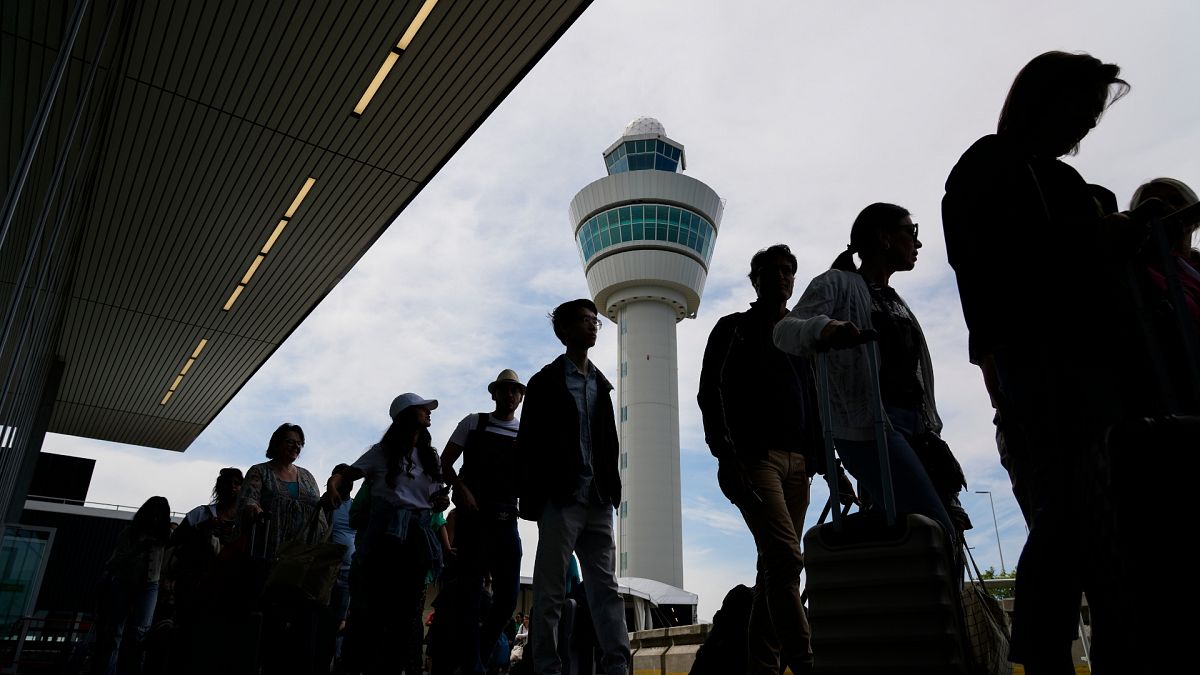
New Automated Biometric Data Checks to be Introduced in the EU
This autumn, the European Union (EU) will be implementing new travel rules that require passengers from outside the bloc to go through an automated system. Known as the Entry/Exit System (EES), this system will replace the traditional passport stamping process for non-EU travelers who do not require a visa. Instead, biometric data, including fingerprints, facial scans, and passport information, will be collected during the first entry into an EU country after the system’s implementation.
The launch of the EES, which has faced various setbacks, is now slated for autumn this year. However, airlines have raised concerns about the potential impact this change may have on travelers, including the potential end of last-minute bookings.
Impact on Last-Minute Bookings
Currently, airline passengers are required to provide certain details before their flight, such as their name, passport number, and date of birth. This information, known as Advanced Passenger Information (API), is likely to become more detailed with the introduction of the EES. Airlines will need to obtain approval for passengers to travel, with a deadline set at up to 48 hours before departure. They will be required to submit the API for verification, and the system will respond with either «OK» or «NOT OK» for boarding. Airlines may face fines if they allow non-compliant passengers to board.
However, this deadline and the complexity of the process are causing concern for airlines regarding last-minute ticket sales. The parent company of Ryanair, Buzz, Lauda Europe, and Malta Air has expressed worries that the current «hard» deadline is too long and may prevent late ticket sales. The International Air Transport Association (IATA) has also highlighted potential delays for passengers who indicate that they hold a residence permit or long-stay visa for an EU country in their API. These documents will need to be checked at the boarding gate, potentially adding more time to the overall process.
Other Impacts on Airline Passengers
Airlines have raised additional concerns about the introduction of the EES, including longer waiting times at border control and a lack of support when issues arise during the implementation phase. Airlines for Europe (A4E), an industry group, has voiced their deep concerns about unresolved issues related to the seamless introduction of the EES. They have emphasized the need for 24/7 support to assist airlines in resolving any problems that passengers may encounter when the system is launched. Without this support, the overall traveler experience may be significantly compromised.
In May, a group of trade associations, including A4E and IATA, sent a joint letter to Ylva Johansson, the EU Commissioner for Home Affairs, outlining their concerns about the system’s introduction. The letter highlighted issues such as a lack of communication or information campaigns for passengers, inconsistent and delayed national testing, delays in the development of the pre-registration app, and a lack of contingency plans if countries are not adequately prepared. A study conducted in the UK in April revealed that two-thirds of adults were unaware of the system’s existence. Furthermore, industry projections predict that border control may take at least 30 to 50 percent longer, leading to increased border processing times.
Possible Delay in Launch
The launch of the EES has already faced multiple delays, with the original date set for May 2022. Airlines have now cautioned that there is limited time to prepare for these changes, especially during the peak season, before the current scheduled launch in autumn. An official date for passenger registration has yet to be announced, with the EU stating that it will be confirmed closer to the implementation date.
In April, the European Commission’s annual State of Schengen report highlighted the remaining challenges associated with the EES. It called upon EU member states to expedite their preparations to ensure a timely implementation of the system. This sentiment is shared by airline industry bodies, such as A4E, who stress the need for close coordination between the European Commission, member states, airlines, and airports, as well as the provision of sufficient support to stakeholders and passengers.