New Entry/Exit System to Launch in Schengen Area: Are Countries Prepared?
Travellers from outside the EU are eagerly awaiting the launch of the new Entry/Exit System (EES) in the Schengen Area on 10 November. However, there are concerns about whether Schengen countries are fully prepared to welcome them.
The implementation of Europe’s new digital border system has faced multiple delays, causing much apprehension. But now, new scanners are being installed at airports across the EU, and processing areas have been set up at international ports and train stations. Significant financial investment has been made to ensure a smooth transition, with millions of euros being allocated to prepare for the new checks. These checks will involve registering the biometric data of non-EU passengers each time they enter and exit the Schengen Area.
Despite the preparations, tourists have been warned of potential delays and queues at checkpoints when the EES is launched this autumn.
Preparations in the UK
The implementation of the EES will have a considerable impact on post-Brexit Britain, as travellers will now have to navigate additional requirements when visiting the EU. While airport checks will be carried out upon arrival in EU countries, checks for international train, car, and ferry services will take place before departure from the UK.
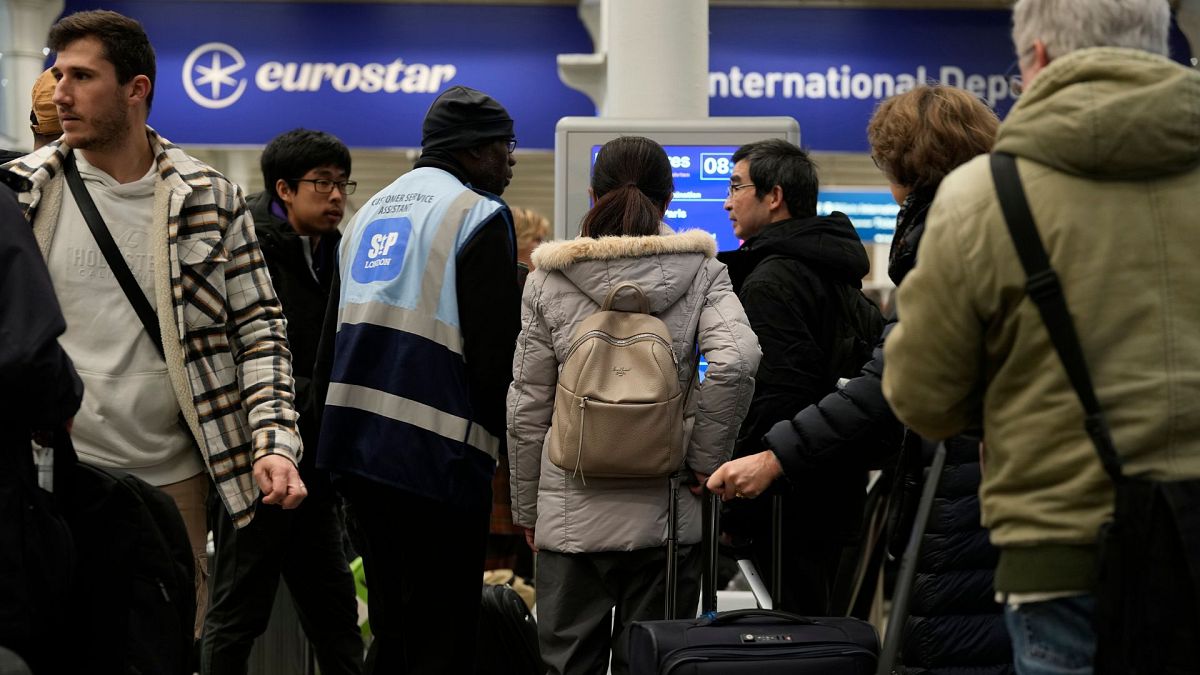
The UK government is actively working to minimize disruptions and queues. Recently, it announced £10.5 million (€12.5m) in funding to support preparations at key ports and train stations, such as the Port of Dover, Folkestone’s Eurotunnel, and Eurostar at St Pancras train station in London. This funding will be utilized to establish dedicated processing sites, install self-service kiosks, and conduct rigorous testing to ensure a smooth EES registration process. Additionally, it will support the recruitment and training of staff to facilitate the implementation of the new system.
Future of Roads Minister Lilian Greenwood emphasized the government’s commitment to minimizing queues, stating, «Nobody wants to see excessive queues at our ports, which is why we’re providing this funding to ensure our borders are as prepared as possible for the upcoming change — despite EES being an EU initiative.»
The Port of Dover, Eurotunnel, and Eurostar have all expressed confidence in their readiness for the EES implementation, thanks to substantial investments and diligent preparations. Eurostar’s chief safety and stations officer, Simon Lejeune, assured passengers of a smooth transition, while Yann Leriche, CEO of Getlink (Eurotunnel operator), stated that the new regulations would not hinder travel through the Channel Tunnel.
Despite initial concerns earlier this year, the European Commission now asserts that all Member States are prepared for the EES changes. European Commissioner for Home Affairs Ylva Johansson affirmed that digital border controls would be operational at all entry points into Europe.
Potential Delays and Concerns
Despite the extensive preparations, UK travel agents remain skeptical about the smooth launch of the EES. A lack of awareness among travellers and varying levels of preparedness among different airports could lead to long queues, chaos, and confusion, warns the travel association AITO. They have called for an extended transition period and relaxed checks during times of significant waiting.
The European Commission, however, has assured that all travellers subject to the EES will be recorded in the system at all border crossing points from day one. They have provided the necessary tools and support to ensure a smooth traffic flow. Some countries have also adopted a voluntary mobile app that allows passengers to pre-register their data before travelling.
Another potential complication arises from the overlap between the launch of the EES and the UK’s own Electronic Travel Authorization (ETA) for visa-free travellers. Furthermore, the introduction of the ETIAS travel system in 2025, which requires non-EU visa-free travellers to obtain an electronic travel authorization, is expected to further complicate travel procedures.
The launch of the Entry/Exit System in the Schengen Area is anticipated with both excitement and concerns. While extensive preparations have been made, it remains to be seen how smoothly the new system will be implemented and whether it will cause significant disruptions for travellers.